











Pleistocene Mammal Arctodus simus - Cave Bear
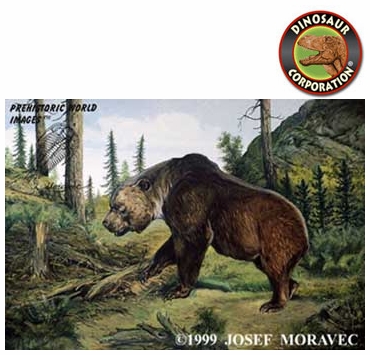 |

Prehistoric Life of Pleistocene Arctodus simus Cave Bear by Josef Moravec. (Framed).
* Medium: Oil painting 24" x 18".
* Available for sale to museums and serious art collectors.
* Contact us by e-mail: moravec@prehistory.com
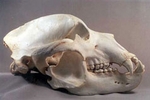
Arctodu simus is also known as the Short-Faced Bear. One species, the Giant Short-Faced Bear (Arctodus simus), is the largest bear that ever lived based on fossil finds. It lived in prehistoric North America from about 800,000 to 12,500 years ago.
TIME - Pleistocene
***
See more Dinosaurs & Prehistoric Ice Age Animals Oil Paintings in Dinosaur ExhibitsContact us by e-mail to obtain permission for commercial usage of this image: moravec@prehistory.com
© Copyright Dinosaur Corporation, USA. All rights reserved TM
Add Related Items
Recently Viewed Items
 Arctodus simus - Pleistocene animal - Pleistocene epoch. Printed on premium quality glossy photo paper 8.5" x 11". $20.00 |  Arctodus simus-Short Faced Bear also called Cave Bear, original oil painting by paleoartist Josef Moravec. Ice age mammal is printed on premium photo quality super "B" paper 13" x 19". $80.00 |
 Arctodus simus by Josef Moravec. Framed 14" x 17" in museum quality solid wood frame & double matted in glass. $90.00 |